Buying a condo in Hollywood, Florida from out of town can feel simple at first glance, then surprisingly complex once you start comparing buildings, locations, and price points. You may see one listing near the beach, another closer to downtown, and a third in a different zip code, all with very different values and timelines. The good news is that Hollywood has a wide range of condo options, and once you understand how the local market is split, your search gets much clearer. Let’s dive in.
Why Hollywood draws condo buyers
Hollywood sits in southeastern Broward County between Miami and Fort Lauderdale. According to the city, it covers about 30 square miles and includes seven miles of beaches along with a downtown core.
For many out-of-town buyers, that mix is the appeal. You are not looking at one single lifestyle here. You are choosing between beachside living, east-side historic areas, and newer mixed-use or downtown-style settings.
Hollywood is not one condo market
One of the biggest mistakes out-of-town buyers make is treating all Hollywood condos like they belong in the same category. In reality, the city is better understood as several smaller condo markets with different pricing, building styles, and buyer priorities.
The cleanest local split is between beachside condos, historic east-side areas, and newer inland or downtown-oriented product. That is why two condos with similar square footage can feel completely different in both lifestyle and value.
Beachside condos
Hollywood Beach is built around the Broadwalk, public beach access, and waterfront leisure use. The city highlights the area for its beach setting and notes that it includes luxury hotels and condominiums such as the Diplomat, Trump Hollywood, and Margaritaville.
If your goal is direct beach access, resort-style amenities, or a more vacation-oriented feel, this area is often where your search begins. It also tends to come with higher pricing than many inland options.
East-side historic areas
Not every east-side property fits the same beach-resort profile. Hollywood Lakes, for example, is identified by the city as Hollywood’s oldest neighborhood east of U.S. 1, with homes, apartments, and hotels dating back to the 1920s.
That matters because the setting can feel more established and more varied block to block. If you are shopping here, building age and property type deserve as much attention as the map pin.
Downtown and corridor areas
Hollywood’s Regional Activity Center covers a large mixed-use zone east of I-95 and west of 17th Avenue, including Downtown Hollywood and major corridors. A recent city report says downtown multifamily inventory has grown by more than 23% to about 5,839 units.
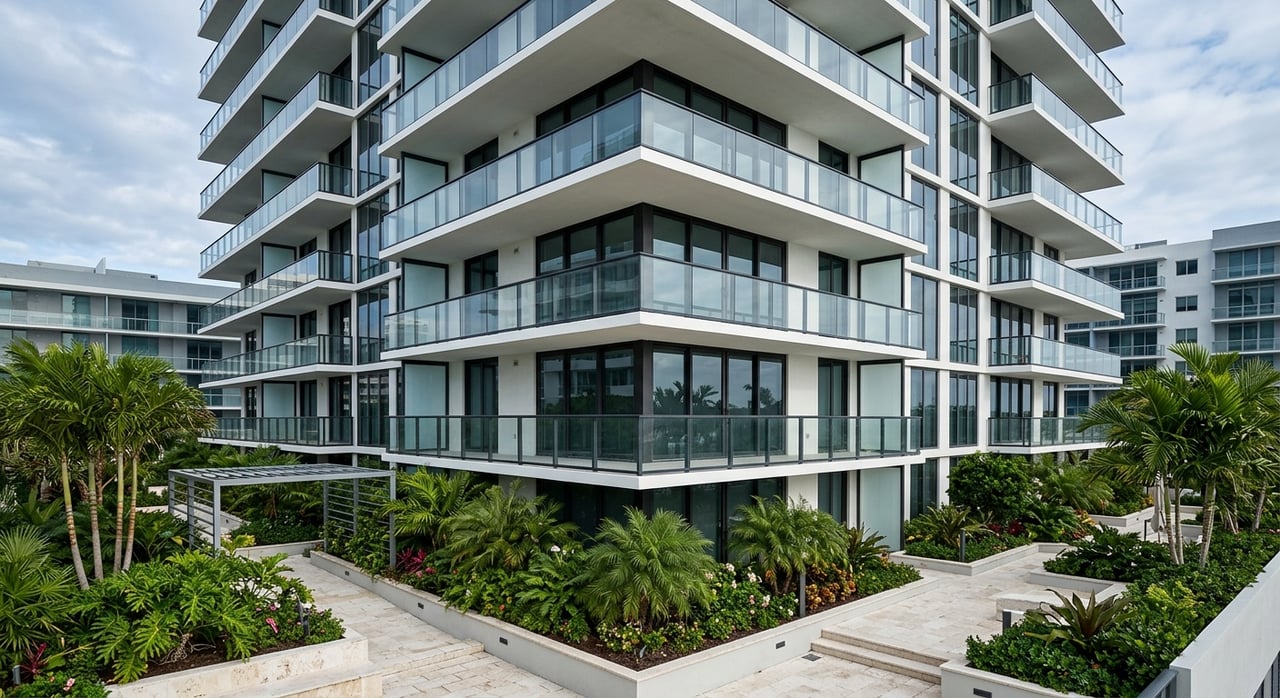
For buyers who want a newer inland product mix, this area often provides a different option than the beach. You may find a more urban setting and a condo search that feels less driven by oceanfront positioning.
What condos cost in Hollywood
As of early July 2026, Redfin shows 1,194 condos for sale in Hollywood at a median listing price of $350,000. Those condos typically stay on the market for 151 days and receive about one offer.
At the city level, broader housing datasets point to a market in roughly the mid-$400,000s to low-$500,000s. Redfin reports a recent median sale price near $490,000, while Realtor.com shows a median listing price near $500,000.
For condo buyers, the more useful takeaway is the spread within Hollywood itself. Pricing can shift a lot depending on whether you are looking near the beach, in east-side neighborhoods, or farther inland.
Local price ranges to know
Realtor.com shows some of the clearest differences across Hollywood submarkets:
- Hollywood Beach: about $530,000
- South Central Beach: about $525,000
- Central Beach: about $475,000
- Hollywood Lakes: about $749,000
- Zip code 33019: about $599,000
- West Hollywood: about $429,000
- Zip code 33020: about $425,000
- Zip code 33021: about $350,000
- Zip code 33024: about $480,000
These numbers are best used as orientation, not as a shortcut for pricing one specific unit. In Hollywood, building quality, age, amenities, and exact location can shift value quickly.
How fast condos move
If you are buying from another city or another country, timing matters. You want to know whether you need to move fast or whether you have room to compare options.
Broward County Q1 2026 condo and townhouse data show that Hollywood zip codes generally took about 103 days to contract in 33019, 95 days in 33020, 89 days in 33021, and 48 days in 33024. Sale-to-original-list ratios were around 92.1%, 89.8%, 92.3%, and 95.3% in those zip codes.
That tells you two important things. First, this is not a one-speed market. Second, many condos are not selling right at original list price, which creates room for careful analysis and negotiation.
Why building age matters so much
In Hollywood, condo shopping is not just about neighborhood. It is also very much about the building itself.
The city’s Beach Historic District includes many buildings from the 1920s and 1930s. At the same time, current beach condo examples show towers from later decades too, such as a 1980 building at Quadomain and a 1970 building at Residences on Hollywood Beach.
Newer resort-style product exists as well. The city notes that Margaritaville opened in 2015, and a 2025 redevelopment proposal on the beach includes a new oceanfront community center and a residential condominium with private parking.
This wide age spread is one reason Hollywood can feel so different from one block to the next. Two properties may both be called beach condos, but the ownership experience may be very different depending on age, systems, and amenity expectations.
Amenities can change the value story
Out-of-town buyers are often drawn to Hollywood for lifestyle. That makes amenities an important part of the decision, especially in the beach market.
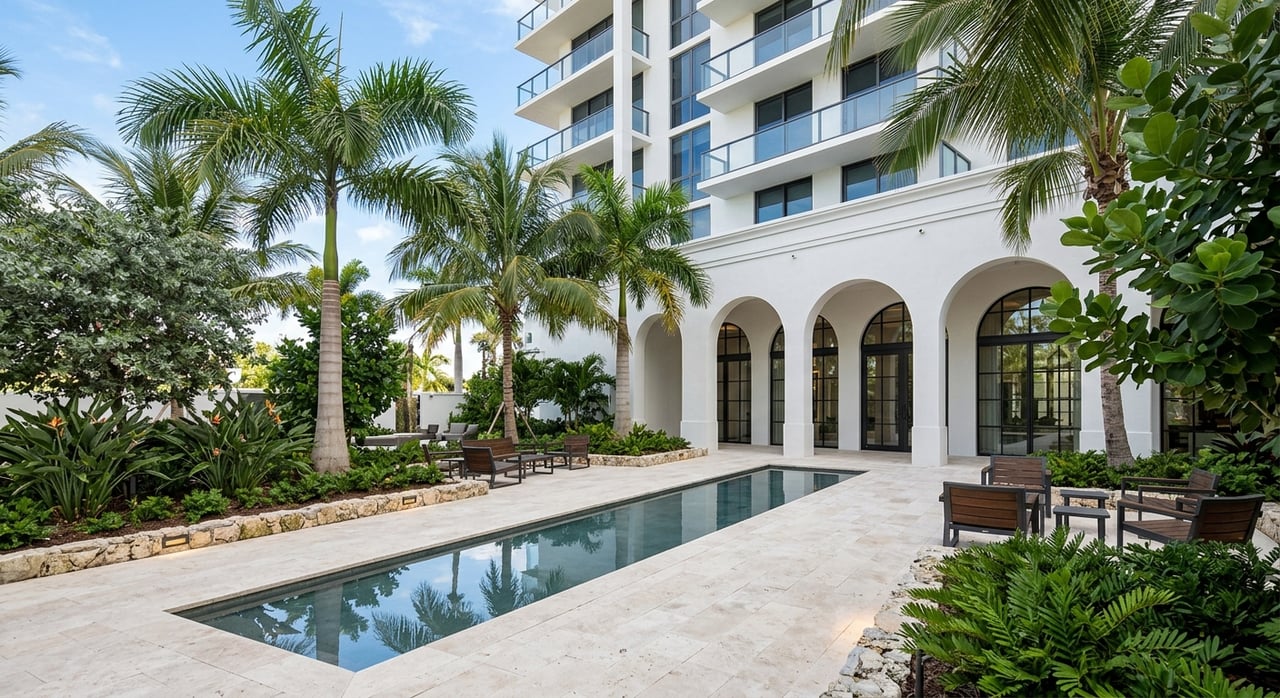
Current listings and city materials show a clear trend toward resort-style features like pools, valet, gyms, restaurants, concierge services, and direct beach or Broadwalk access. If those features matter to you, compare them carefully because they can shape both daily use and long-term value.
At the same time, do not assume every condo offers the same package. A lower-priced unit may look attractive online, but the amenity level, building age, and maintenance realities may tell a different story once you look closer.
Due diligence basics for out-of-town buyers
When you are buying from afar, averages can only help so much. In Hollywood, building-level due diligence is often where smart decisions are made.
The city inspects buildings when they reach 25 years of age. Broward County also requires structural and electrical inspections for buildings that are 40 years old or older, and then every 10 years after that.
That does not mean older buildings are automatically a problem. It means you should understand where a building stands in its inspection cycle and evaluate the property with that context in mind.
A practical condo review checklist
Before you narrow down a unit, focus on these basics:
- Exact submarket or zip code
- Building age
- Amenity package
- Days on market for similar listings
- How pricing compares with nearby condo options
- Whether the building falls into key city or county inspection timelines
For out-of-town buyers, this process helps separate a good-looking listing from a good long-term fit. It also reduces the risk of comparing condos that are not truly comparable.
A smart way to approach your search
If you are starting your Hollywood condo search from another state or another country, begin with location goals first. Decide whether you care most about beach access, a historic east-side setting, or a newer inland area closer to downtown-style development.
Next, compare buildings before you compare finishes. In Hollywood, age, amenities, and market pace often matter just as much as what you see in listing photos.
Finally, be realistic about pricing. A citywide median does not tell you what a specific oceanfront tower, historic east-side property, or inland condo should cost.
Why local guidance matters in Hollywood
Hollywood offers real opportunity for buyers who want South Florida condo living with multiple price points and lifestyle options. It also asks you to look deeper than the headline numbers.
When you understand the split between beachside, east-side, and inland condo markets, you can search with much more confidence. And when you layer in building age, amenities, and inspection context, you are far more likely to make a decision that fits both your lifestyle and your long-term goals.
If you are exploring condos in Hollywood and want a clear, strategic plan from the start, Elena Beck can help you compare locations, evaluate buildings, and move forward with confidence.
FAQs
What is the typical condo price in Hollywood, FL?
- As of early July 2026, Redfin shows a median condo listing price of $350,000 in Hollywood, but submarket pricing varies widely from around $350,000 in 33021 to about $530,000 in Hollywood Beach and about $749,000 in Hollywood Lakes.
How long do condos stay on the market in Hollywood, FL?
- Redfin reports Hollywood condos typically stay on the market about 151 days, while Broward County Q1 2026 data show contract timelines varying by zip code from about 48 to 103 days.
Are Hollywood Beach condos more expensive than inland condos?
- In general, yes. Research in the local market shows beachside areas such as Hollywood Beach and 33019 trending higher than many inland areas like 33020 or 33021.
Why should out-of-town buyers pay attention to building age in Hollywood?
- Hollywood has condo stock from historic early 20th-century buildings to older oceanfront towers and newer resort-style product, so building age can affect amenities, inspections, and the overall ownership experience.
What amenities are common in Hollywood beach condos?
- Common resort-style amenities in Hollywood beach condos can include pools, valet, gyms, restaurants, concierge services, and direct beach or Broadwalk access.
What is the biggest mistake buyers make in the Hollywood condo market?
- A common mistake is treating all Hollywood condos as one market instead of comparing the city’s distinct beachside, east-side, and inland submarkets along with each building’s age and amenity profile.