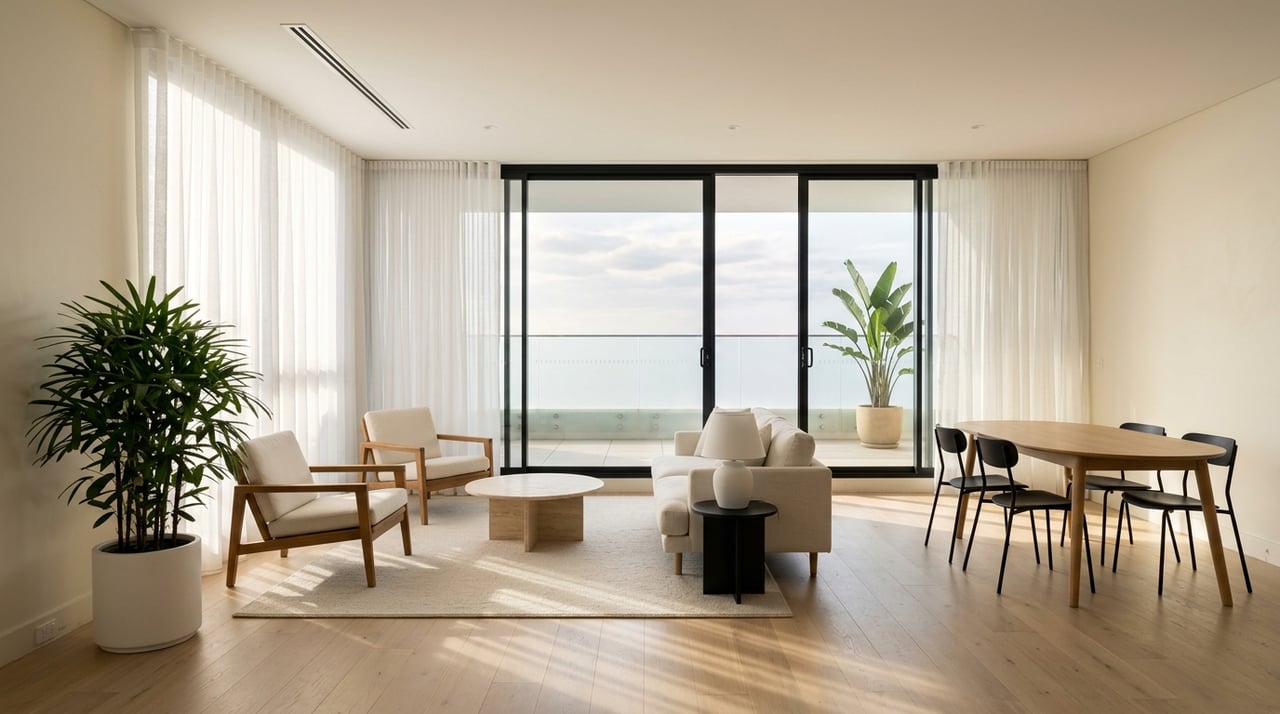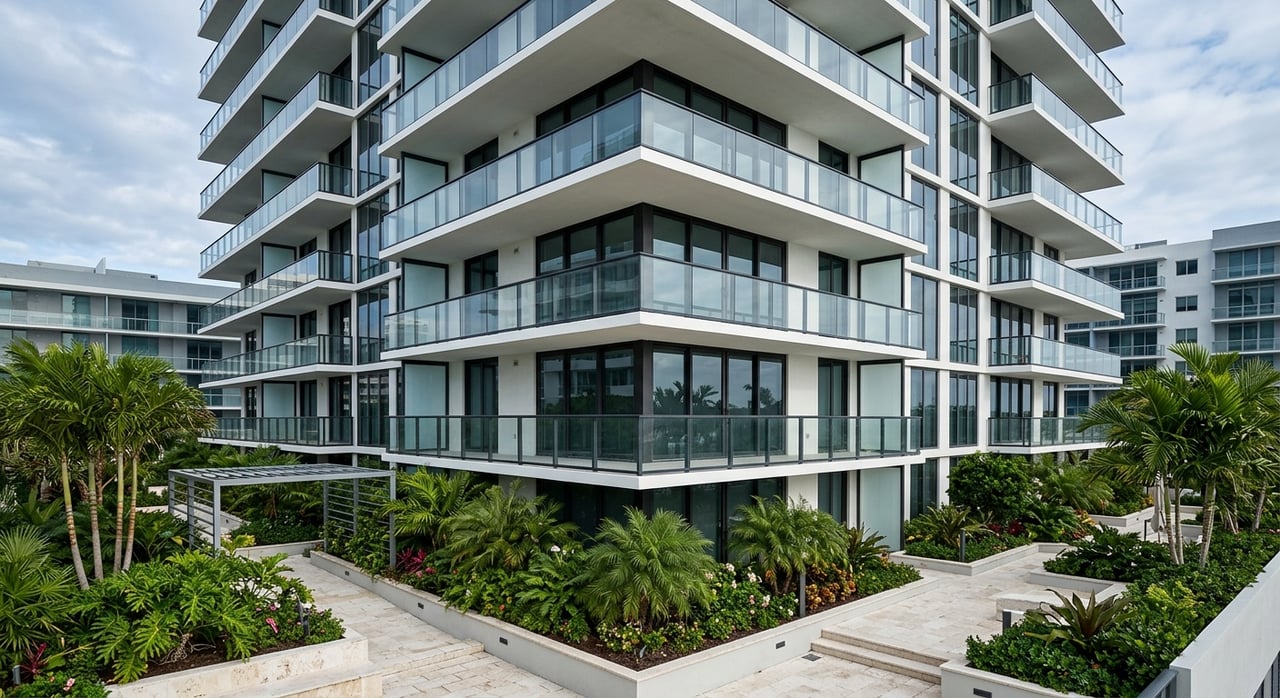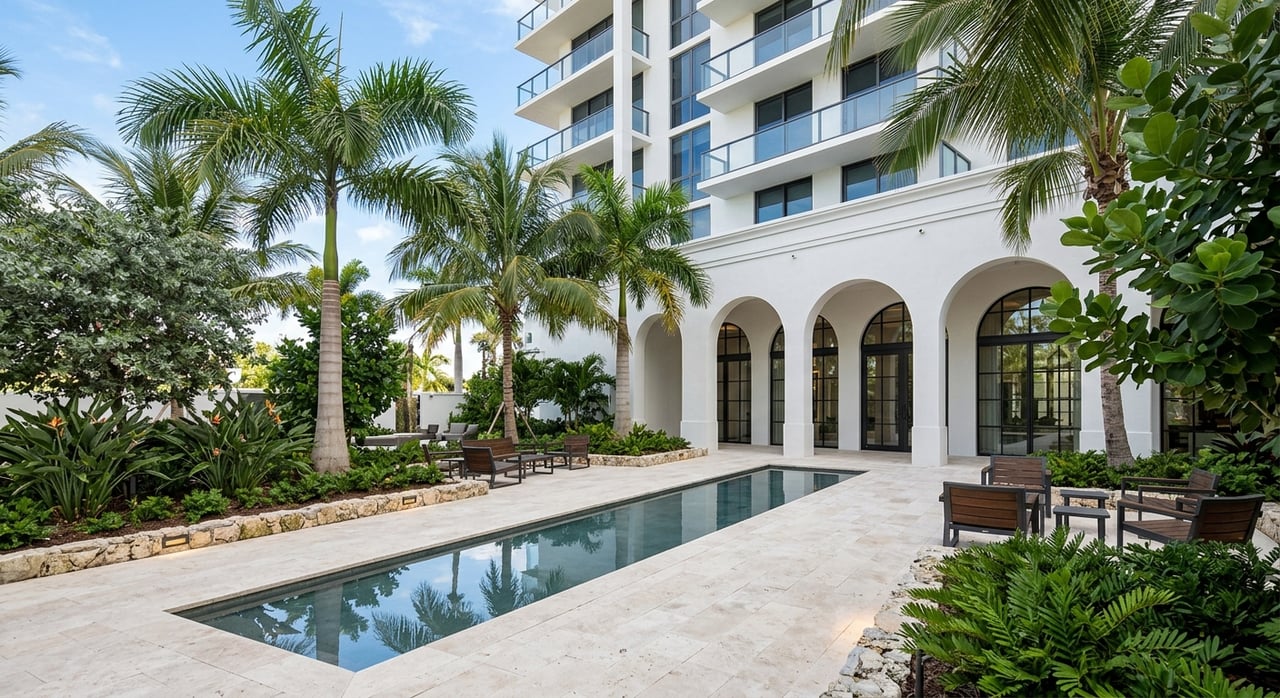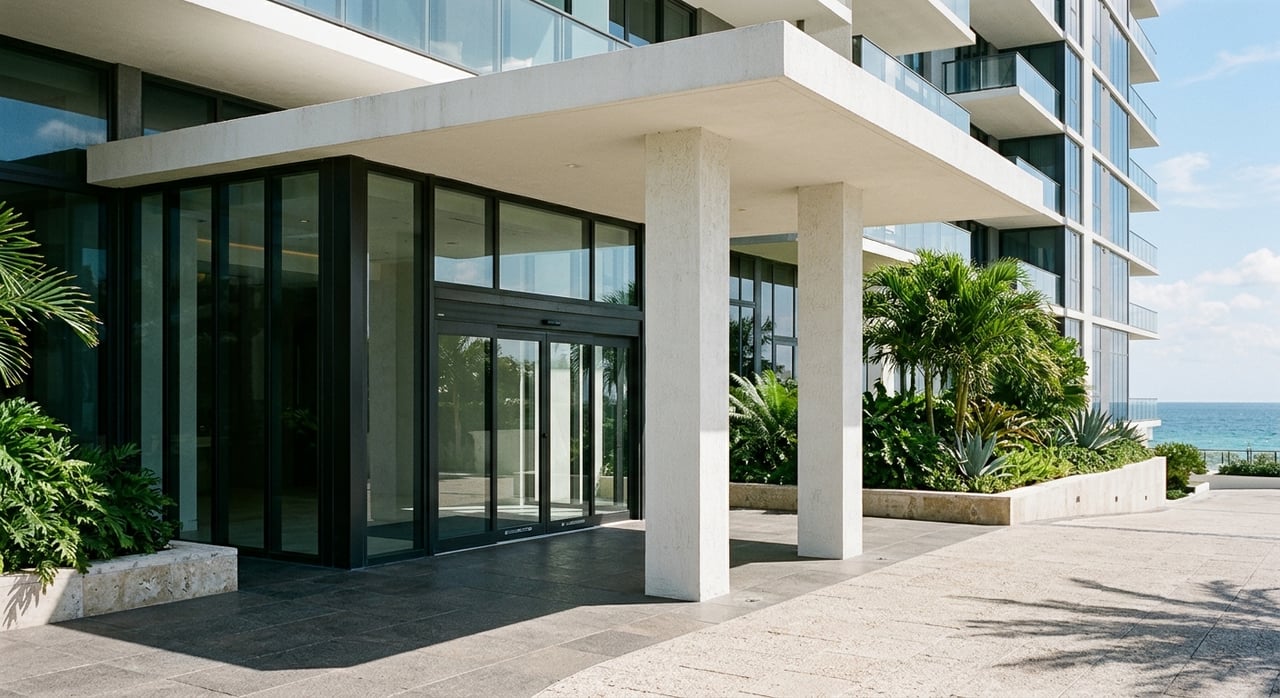
Buying oceanfront in Sunny Isles Beach can feel simple at first. You see the view, fall in love with the lifestyle, and start comparing finishes and amenities. But the smartest choice usually comes down to what you cannot see right away: flood exposure, building condition, reserve funding, HOA rules, and rental flexibility. If you want to choose a condo with more confidence and fewer surprises, this guide will help you focus on the details that matter most. Let’s dive in.
Start With the Building, Not the View
An ocean view is important, but it should not be your only filter. In Sunny Isles Beach, the better question is whether the building supports your goals, budget, and risk tolerance.
A dramatic view can still come with higher future costs if the tower has pending repairs, weak reserves, or restrictive rental rules. When you compare buildings first, you put yourself in a stronger position to judge whether a specific unit is truly a fit.
Check Flood Exposure First
Sunny Isles Beach is a barrier-island city, and the city says nearly all of it is in a flood zone. The city also states that all of Sunny Isles Beach is in Storm Surge Planning Zone B.
That matters because flood risk affects more than insurance. It can shape evacuation planning, building access, lender requirements, and the day-to-day practicality of owning an oceanfront condo.
Use Address-Level Flood Data
Sunny Isles Beach offers a public flood-risk portal with address-level information. The city says the portal can show a property’s flood zone, Base Flood Elevation, Design Flood Elevation, compliance warnings, and elevation certificates.
This gives you a more precise starting point than general market impressions. If you are comparing multiple towers, reviewing this information early can help you spot meaningful differences between buildings that may seem similar from the outside.
Ask What Flood Risk Means for Daily Ownership
Flood exposure is not just a technical issue. It can affect how a building functions during heavy rain, storm season, and periods of restricted access.
As you compare options, ask questions like:
- Is the unit directly oceanfront, or is it partial or angled ocean view?
- Is the lobby, parking, or amenity level vulnerable to flooding?
- Does the building have an elevation certificate on file?
- Has the property had drainage issues or water intrusion?
- Will the floor level balance view, convenience, and elevator dependence?
Understand Flood Insurance Basics
The city notes that homeowners insurance does not cover flood damage. It also notes that flood policies may only cover the structure unless contents coverage is added, and that NFIP coverage has a waiting period.
For you as a buyer, that means it is important to ask what flood policy is in place, what it covers, and whether there are any gaps that could affect your expected costs after closing.
Review Building Age and Condition
In Sunny Isles Beach, building age is not just a number. It can be a useful clue about future repairs, reserve needs, and near-term ownership costs.
Older oceanfront towers are not automatically a bad choice. Many remain excellent options, but they often require closer review because salt air, waterproofing demands, and long-term structural maintenance can shape the true cost of ownership.
Know the Florida Inspection Rules
Florida law requires milestone inspections for buildings that are three habitable stories or higher by December 31 of the year the building reaches 30 years of age, and every 10 years after that. The law also allows a local enforcement agency to require the inspection at 25 years when local conditions, including proximity to salt water, justify it.
That is especially relevant in an oceanfront market like Sunny Isles. You should not assume every building follows the same timeline just because of its age.
Understand SIRS and Reserve Planning
Florida’s Structural Integrity Reserve Study, or SIRS, is another key part of condo due diligence. For buildings three habitable stories or higher, the study must be completed at least every 10 years and covers major components such as the roof, structure, fire protection, plumbing, electrical systems, waterproofing, exterior painting, and windows and exterior doors.
For buyers, this is valuable because it helps show whether an association is planning for major repairs or pushing costs into the future. A tower with realistic reserve funding may offer more stability than one with lower fees but larger deferred expenses.
Questions to Ask About Building Health
Before you make an offer, ask for clear answers to these points:
- When was the certificate of occupancy issued?
- Has the milestone inspection been completed?
- Is there a phase two report or remediation plan?
- Is the latest SIRS complete and current?
- Are reserves adequately funded?
- Are there planned repairs in the next 2 to 5 years?
- Are there hurricane or property-insurance deductibles that could affect owners?
If the association is using a special assessment, line of credit, or loan for repairs, Florida law says those details must be included in the annual financial statement delivered to owners and prospective purchasers.
Read the HOA Documents Carefully
In an oceanfront condo purchase, the documents often tell the real story. Marketing materials may show the lifestyle, but the records show how the building is actually run.
For a resale condo, Florida law entitles the prospective purchaser to current copies of the declaration of condominium, articles of incorporation, bylaws and rules, annual financial statement and annual budget, the inspector-prepared summary of any milestone inspection, the most recent SIRS or a statement that no study has been completed, any applicable turnover inspection report, and the FAQ document. The seller is responsible for providing these items.
Focus on the Records That Matter Most
Florida condo associations must maintain extensive official records, including accounting records, annual budgets, financial reports, inspection reports, building permits, the current rules, the current Q&A sheet, and the most recent SIRS. The law also says inspection reports must be kept for 15 years after receipt.
That gives you a practical way to compare buildings beyond surface appeal. You can often tell whether a tower is keeping up with maintenance, underfunding reserves, or preparing for large future costs.
Look Past Flashy Amenities
Amenities can add value, but they can also add cost. A beautiful pool deck, valet service, upgraded lobby, or extra resident spaces may be worth it if they match how you plan to use the property.
The key is to separate useful amenities from expensive extras that mainly look good in photos. You want to understand what is actively used, what is costly to maintain, and what upgrades may trigger future assessments.
Helpful questions include:
- Which amenities are part of the operating budget?
- Which items are funded through reserves?
- Are lobby, hallway, pool-deck, façade, or garage upgrades planned?
- Has the board discussed a budget increase or special assessment?
- Do house rules affect parking, pets, storage, valet, or other daily-use features?
Match the Condo to Your Rental Goals
If you want flexibility for seasonal or annual rentals, do not assume every oceanfront condo works the same way. In Sunny Isles Beach, the city and the association both matter.
A building may be attractive from an investment standpoint, but if its documents do not allow your intended lease terms, the unit may not fit your strategy.
Know the City’s Short-Term Rental Rules
Sunny Isles Beach defines a short-term vacation rental as any unit in a condominium, apartment, or cooperative leased or rented for six months or less. The city requires owners or responsible parties to obtain a Short-Term Vacation Rental License before advertising, leasing, or renting a multi-family dwelling unit, and each unit needs its own license.
The city also says licenses expire and must be renewed annually, and a license will not be issued if there are open code violations. That means compliance is not a one-time step.
The city also sets an occupancy limit of two persons per bedroom plus two additional persons, up to 12 total. For buyers thinking about rental income, that can affect how a unit performs in real life.
Remember the County Tax Requirement
Miami-Dade County adds another compliance layer. Anyone renting or leasing transient accommodations or short-term rentals for six months or less must register for a Tourist Tax Account and collect and remit monthly Convention and Tourist Development taxes.
This is why rental potential should always be evaluated as a full system. The city rules, county tax requirements, and condo documents all need to align with your plan.
Questions to Ask About Rental Flexibility
Before you move forward, confirm details such as:
- What is the minimum lease term?
- Is there a waiting period after closing before you can rent?
- Are seasonal rentals allowed, limited, or prohibited?
- Does the association require tenant approval or screening?
- Do move-in, move-out, parking, or pet rules affect tenant use?
Compare Every Condo the Same Way
The easiest way to make a strong decision is to compare each building and unit using the same checklist. That helps you stay disciplined, especially when multiple condos seem similar on the surface.
A strong comparison framework for Sunny Isles Beach should include:
- Certificate of occupancy date
- Milestone inspection status
- SIRS status
- Reserve funding
- Special-assessment history
- Insurance deductibles
- Flood zone and elevation certificate
- Rental permissions
- Real amenity costs
When you use the same framework for every option, you are less likely to overpay for a unit that looks great but carries more risk or future cost.
Choose Based on Fit, Not Hype
The best Sunny Isles oceanfront condo is not always the one with the most dramatic balcony view or the newest finishes. It is the one whose documents, costs, building condition, and rental rules fit the way you actually plan to own and use it.
That is where local guidance can make a real difference. In a market like Sunny Isles Beach, smart condo selection is equal parts lifestyle choice and financial decision. If you want help comparing buildings, reading the right documents, and narrowing the options that make sense for your goals, Elena Beck can help you move forward with clarity.
FAQs
What should you check before buying a Sunny Isles oceanfront condo?
- Start with flood exposure, building age, milestone inspection status, SIRS status, reserve funding, HOA documents, insurance deductibles, and rental rules.
How important is flood risk for a Sunny Isles Beach condo?
- It is very important because Sunny Isles Beach is a barrier-island city, nearly all of it is in a flood zone, and the city says all of it is in Storm Surge Planning Zone B.
What is a milestone inspection for a Florida condo building?
- It is a required structural inspection for buildings that are three habitable stories or higher by December 31 of the year the building reaches 30 years of age, with possible earlier timing in certain local conditions.
What is a SIRS for a Sunny Isles condo buyer?
- A Structural Integrity Reserve Study is a required reserve-planning study for certain condo buildings that reviews major components like the structure, roof, waterproofing, plumbing, electrical systems, and windows.
Can you rent out a Sunny Isles Beach condo short term?
- You may be able to, but you need to confirm that the city’s licensing rules, Miami-Dade tax requirements, and the condo association’s lease rules all allow your intended rental use.
Which documents should you review for a Sunny Isles condo resale?
- Review the declaration, bylaws, rules, annual budget, annual financial statement, milestone inspection summary, most recent SIRS or notice that none has been completed, and the condo FAQ document.
How do you compare two Sunny Isles oceanfront condo buildings?
- Compare the same factors side by side, including building age, flood profile, reserve funding, inspections, assessments, insurance deductibles, amenity costs, and rental flexibility.